
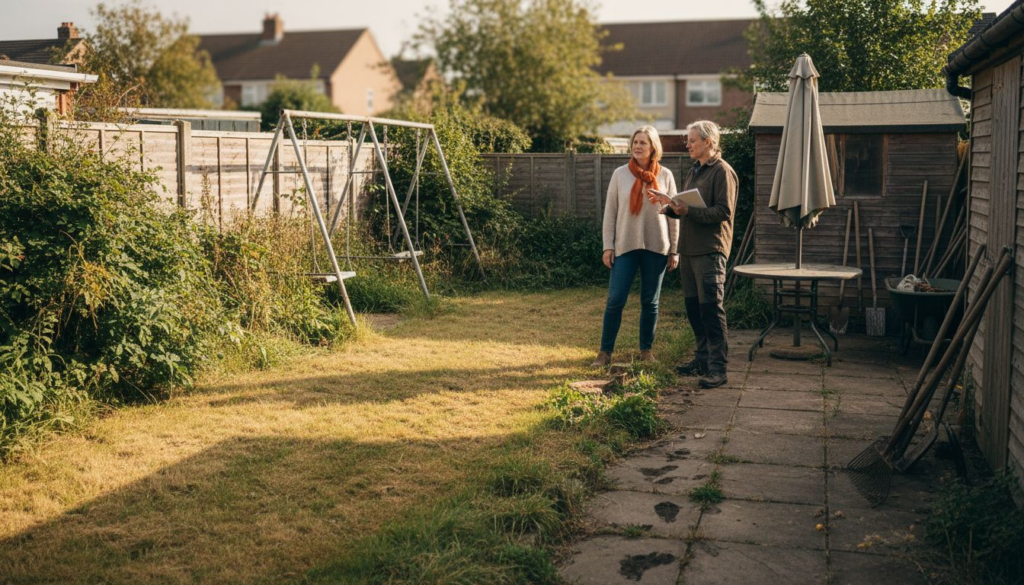
Most british homeowners invest thousands each year to improve garden curb appeal, yet many still feel overwhelmed by spring maintenance demands. Transforming your outdoor space in Milton Keynes is more than a seasonal refresh—it is a strategic move toward lasting beauty and practical upkeep. This guide explains the modern principles behind professional garden transformation, helping you make informed choices for a sustainable, low-maintenance garden that suits your family’s lifestyle and property value.
Table of Contents
- Defining Garden Transformation In The UK
- Types And Approaches To Garden Makeovers
- Key Steps In The Transformation Process
- Costs, Timelines, And Typical Outcomes
- Common Mistakes And Expert Solutions
Key Takeaways
| Point | Details |
|---|---|
| Holistic Garden Transformation | Modern garden transformations in the UK involve sustainability and ecological impact to create adaptive outdoor spaces. |
| Types of Makeovers | Approaches include Ecological Restoration, Functional Redesign, and Climate-Adaptive Design, each offering unique advantages. |
| Assessment and Planning | A thorough site analysis and strategic planning are essential before implementation for successful outcomes. |
| Avoid Common Mistakes | Inexperienced decisions in plant selection and drainage can undermine a garden’s longevity; professional guidance is crucial. |
Defining Garden Transformation in the UK
Garden transformation represents a dynamic approach to reimagining outdoor spaces across the United Kingdom, moving far beyond traditional landscaping methods. At its core, this process involves strategic redesign that adapts residential gardens to contemporary environmental challenges and personal aesthetic preferences. Garden design has evolved significantly, transitioning from rigid 17th-century formal layouts to more naturalistic and environmentally responsive environments.
In the modern British context, garden transformation encompasses a holistic reimagining of outdoor spaces. This approach considers multiple critical factors: sustainability, ecological impact, climate resilience, and personal functionality. The Royal Horticultural Society emphasises that contemporary garden transformations must respond to changing climate conditions, with gardens becoming adaptive ecosystems rather than static decorative areas. Gardening strategies are increasingly focused on creating resilient landscapes that can withstand extreme weather patterns while supporting local biodiversity.
Professional garden transformations in the UK typically involve comprehensive assessment and strategic planning. Specialists analyse existing landscape conditions, soil quality, drainage patterns, sunlight exposure, and microclimate characteristics. The goal is not merely aesthetic enhancement but creating sustainable, low-maintenance outdoor spaces that integrate seamlessly with the surrounding environment. Garden maintenance becomes an integral consideration, ensuring that transformed gardens remain vibrant and functional with minimal ongoing intervention.
Pro tip: When planning a garden transformation, start by conducting a comprehensive site survey to understand your specific environmental conditions and potential challenges.
Types and Approaches to Garden Makeovers
Garden makeovers in the United Kingdom encompass a diverse range of design strategies, each tailored to address specific aesthetic, functional, and environmental objectives. Contemporary approaches move beyond traditional landscaping, offering homeowners multiple pathways to transform their outdoor spaces. Sustainable garden makeover techniques have gained significant traction, emphasising ecological responsibility alongside visual appeal.
These makeover approaches can be broadly categorised into several distinct types. Ecological Restoration focuses on creating gardens that support local biodiversity, incorporating native plant species and designing habitats for wildlife. Functional Redesign prioritises practical outdoor living spaces, reimagining gardens as extensions of residential areas with zones for relaxation, entertainment, and practical uses. Climate-Adaptive Makeovers are increasingly important, designing landscapes that can withstand changing weather patterns through strategic plant selection, improved drainage systems, and resilient landscaping techniques.
Professional garden transformation specialists typically employ a comprehensive methodology. Patios and pathways often serve as foundational elements in garden redesign, providing structural definition and functional connectivity between different outdoor areas. The approach involves detailed site analysis, understanding microclimatic conditions, soil composition, and the specific environmental challenges of the location. This meticulous planning ensures that garden makeovers are not just visually appealing but also sustainable and long-lasting.
Here is a comparison of prominent garden makeover approaches and their main advantages:
| Approach | Primary Focus | Main Advantage |
|---|---|---|
| Ecological Restoration | Native plants, wildlife habitat | Increases local biodiversity |
| Functional Redesign | Outdoor living and usability | Enhances daily functionality |
| Climate-Adaptive Design | Resilience to weather extremes | Reduces risk from climate change |
| Hardscaping Integration | Patios, paths, structures | Adds structure and accessibility |
Pro tip: Before commencing a garden makeover, conduct a thorough site assessment to understand your specific environmental conditions and potential design opportunities.
Key Steps in the Transformation Process
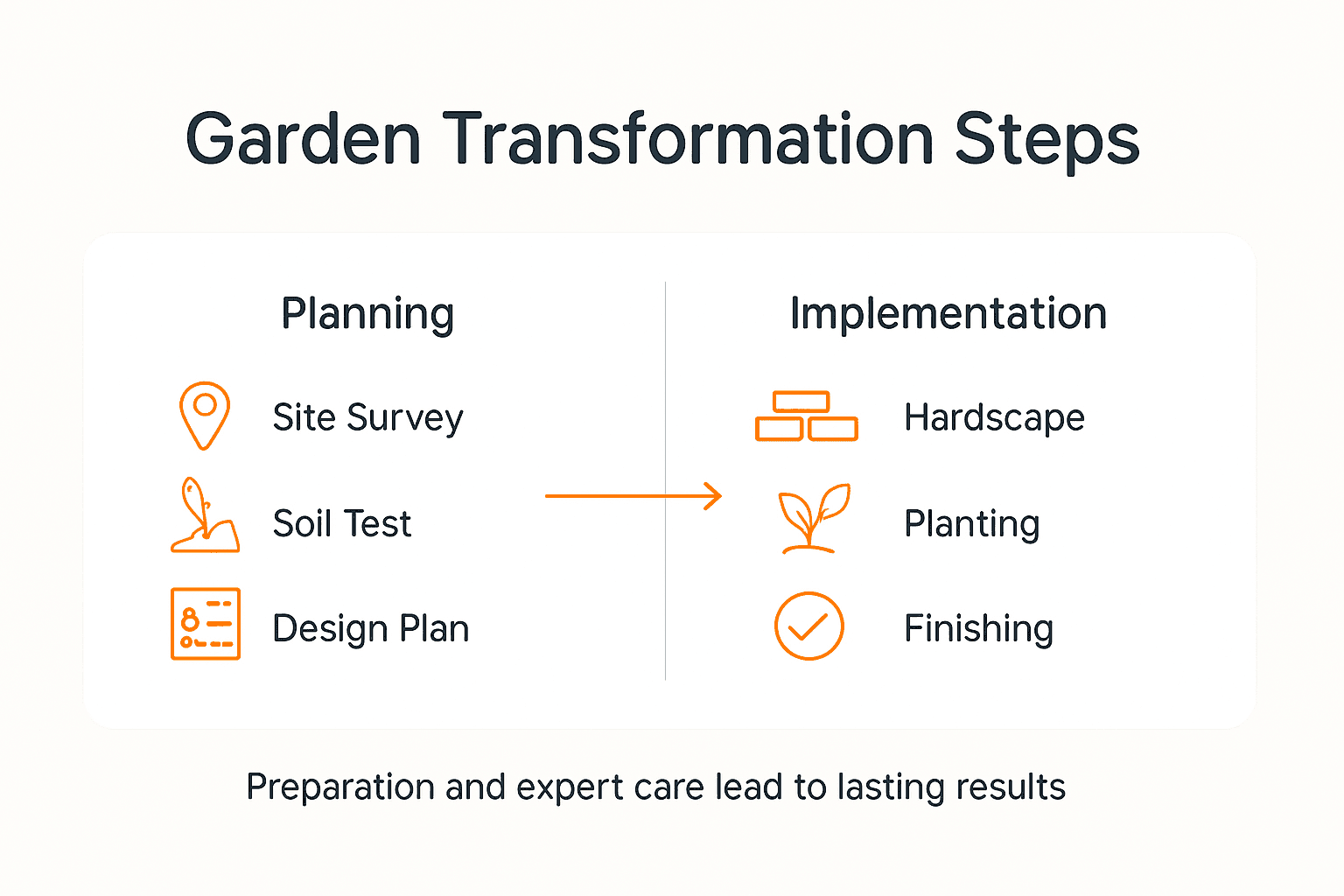
Garden transformation requires a systematic and thoughtful approach that goes well beyond simple landscaping. The process begins with comprehensive site evaluation, where professionals conduct a detailed assessment of the existing outdoor space. Garden clearance often represents the initial stage, removing outdated elements, overgrown vegetation, and structural impediments that might hinder the new design vision.
The transformation process typically involves several critical stages. First, Site Analysis examines soil composition, drainage patterns, sunlight exposure, and existing plant life. Second, Design Conceptualisation translates these insights into a tailored landscape plan, considering aesthetic preferences, functional requirements, and environmental constraints. Third, Strategic Implementation involves precise execution, including ground preparation, infrastructure development, planting, and installing necessary hardscaping elements. This methodical approach ensures that each garden transformation is uniquely crafted to meet specific homeowner objectives.
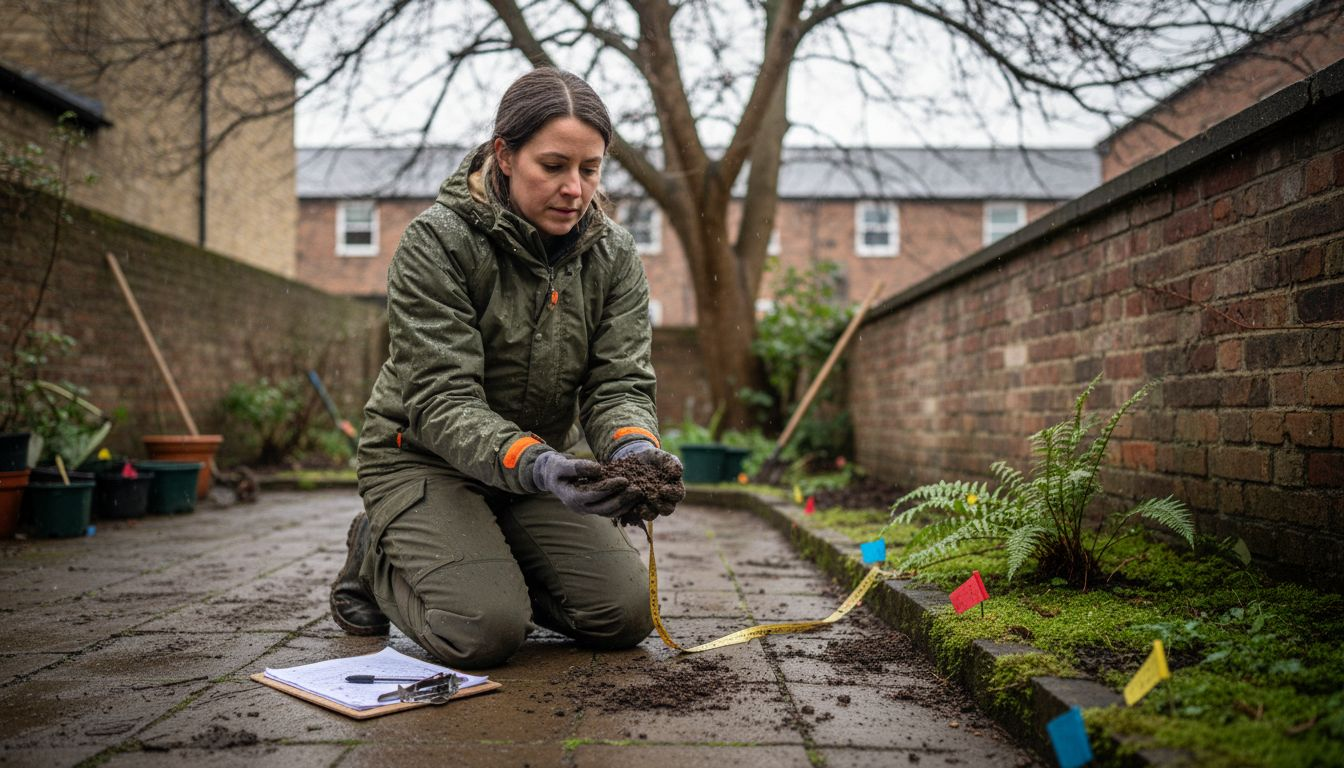
Professional garden specialists employ sophisticated techniques during implementation. Soil improvement, proper drainage installation, and strategic plant selection become paramount considerations. The goal extends beyond mere visual appeal, focusing on creating sustainable, low-maintenance outdoor environments that can adapt to changing environmental conditions. Careful plant selection, consideration of native species, and understanding microclimate nuances distinguish professional transformations from amateur gardening attempts.
Pro tip: Document your garden’s existing conditions through photographs and measurements before beginning the transformation process, creating a valuable reference point for design and implementation.
Costs, Timelines, and Typical Outcomes
Planning a sustainable garden makeover involves carefully navigating financial considerations, seasonal constraints, and realistic expectations. Garden transformations represent significant investments for homeowners, with costs varying dramatically based on project scope, complexity, and desired outcomes. Professional garden makeovers in the United Kingdom can range from modest £5,000 projects for simple landscaping to comprehensive £50,000 transformations involving extensive redesign, sophisticated hardscaping, and advanced ecological interventions.
The Transformation Timeline typically spans several critical phases. Small to medium garden projects often require 4-8 weeks from initial consultation to final implementation, while more complex transformations might extend to 12-16 weeks. Seasonal considerations play a crucial role, with spring and early autumn representing optimal periods for garden renovations. UK environmental horticulture data indicates that households invest substantially in professional gardening services, reflecting the growing recognition of outdoor spaces as valuable extensions of residential environments.
Typical outcomes of professional garden transformations extend far beyond aesthetic improvements. Homeowners can expect tangible benefits including increased property value, enhanced biodiversity, reduced long-term maintenance requirements, and improved outdoor living experiences. Professional landscapers typically provide detailed cost breakdowns encompassing design consultation, site preparation, material procurement, plant selection, hardscaping, and ongoing maintenance recommendations. These comprehensive approaches ensure that garden transformations deliver sustainable, functional, and visually appealing outdoor environments.
Typical costs, timelines, and benefits of UK garden transformations summarised:
| Project Scale | Cost Range | Typical Timeline | Key Outcomes |
|---|---|---|---|
| Small (simple) | £5,000–£12,000 | 4–8 weeks | Improved kerb appeal |
| Medium (complex) | £12,000–£25,000 | 8–12 weeks | Greater usability, plant diversity |
| Large (full) | £25,000–£50,000 | 12–16 weeks | Major redesign, high property value |
Pro tip: Request detailed, itemised quotes from multiple garden transformation specialists to understand the full scope of potential costs and compare comprehensive service offerings.
Common Mistakes and Expert Solutions
Garden transformation projects are fraught with potential pitfalls that can compromise the entire design and investment. Understanding common garden development challenges reveals critical areas where homeowners frequently encounter difficulties. Inexperienced individuals often underestimate the complexity of garden redesign, making hasty decisions without comprehensive planning, selecting inappropriate plant species, or neglecting crucial environmental considerations.
Fundamental Mistakes typically emerge in several key domains. Plant selection represents a primary challenge, with homeowners frequently choosing aesthetically pleasing species incompatible with local soil conditions, sunlight exposure, or climate patterns. Drainage design becomes another critical area of potential failure, where inadequate planning can lead to waterlogging, root damage, and long-term landscape deterioration. Local garden maintenance regulations also present significant considerations, with many property owners inadvertently breaching local guidelines regarding garden upkeep, boundary management, and vegetation control.
Expert solutions demand a holistic, methodical approach to garden transformation. Professional landscapers recommend comprehensive site analysis before initiating any design work, including detailed soil testing, precise measurement of sunlight patterns, and thorough understanding of microclimate conditions. Strategic plant selection should prioritise native species with proven resilience in local environments, ensuring sustainability and reducing long-term maintenance requirements. Additionally, implementing robust drainage systems, considering future growth patterns of selected vegetation, and maintaining clear communication with local authorities about potential restrictions become paramount strategies for successful garden transformation.
Pro tip: Invest in a professional site survey before commencing your garden transformation to identify potential challenges and develop a comprehensive, tailored design strategy.
Transform Your Garden with Expert Care from Chrisam Gardens Ltd
The journey to a stunning and sustainable garden begins with understanding the unique challenges highlighted in the article such as site analysis, plant selection, and climate-adaptive design. If you want to avoid common pitfalls like poor drainage or inappropriate plants that compromise your outdoor space’s beauty and resilience, professional support is crucial. Chrisam Gardens Ltd specialises in creating low-maintenance, eco-friendly gardens tailored to your specific environmental conditions and lifestyle needs.
Whether you require expert garden clearance to prepare your space, elegant patios, pathways, and driveways for functional outdoor living, or reliable ongoing garden maintenance to keep your transformation vibrant, our team provides trusted craftsmanship built on local knowledge.
Don’t let uncertainty hold back your garden transformation. Visit Chrisam Gardens Ltd today for a free consultation and discover how you can create an outdoor space that is beautiful, practical and built to last. Act now to secure expert guidance and see your garden’s full potential come to life.
Frequently Asked Questions
What is involved in a garden transformation?
A garden transformation involves a comprehensive redesign of outdoor spaces, focusing on sustainability, ecological impact, and personal functionality. This includes assessing soil quality, drainage patterns, sunlight exposure, and integrating native plant species.
How do I choose the right plants for my transformed garden?
Select plants that are suitable for your local climate and soil conditions. Prioritising native species is advisable, as they are more resilient and require less ongoing maintenance while supporting local biodiversity.
What are the potential costs of a garden transformation?
Costs for garden transformation can vary widely, ranging from £5,000 for simple projects to £50,000 for extensive redesigns. The total will depend on the project’s complexity, materials, and desired outcomes.
How long does it typically take to complete a garden transformation?
The timeline for garden transformations usually ranges from 4-16 weeks, depending on the project’s scale and complexity, with smaller projects taking less time compared to larger, more intricate designs.