
Most British gardens lose nearly 40 percent of their visual appeal simply from neglected routine care. For homeowners in Milton Keynes, a well-kept garden is more than just a backyard feature—it is a point of pride and a welcome extension of home life. If you want practical, step-by-step advice for keeping your outdoor space healthy, neat, and beautiful all year, you are in the right place.
Table of Contents
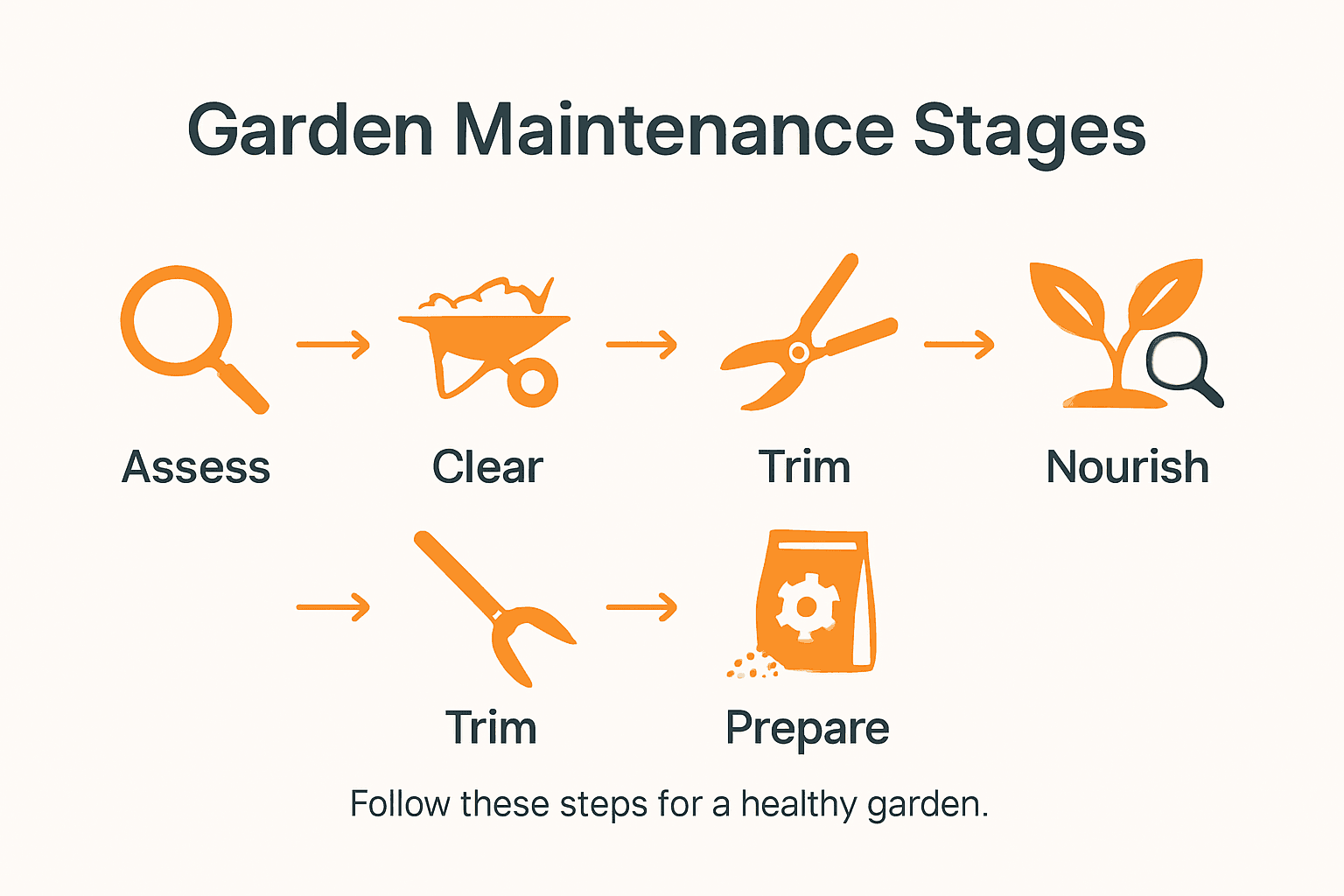
- Stage 1: Assess Garden Needs And Prepare Tools
- Stage 2: Remove Weeds And Debris Thoroughly
- Stage 3: Trim Plants And Edges Precisely
- Stage 4: Nourish Lawn And Beds With Care
- Stage 5: Inspect Results And Adjust Routine
Quick Summary
| Essential Insight | Explanation |
|---|---|
| 1. Assess Your Garden’s Needs First | Examine soil quality, plant health, and potential issues before starting maintenance to tailor your approach effectively. |
| 2. Remove Weeds and Debris Thoroughly | Systematically eliminate weeds and clear debris to create a clean foundation for your plants to grow healthily. |
| 3. Trim Plants and Edges with Precision | Prune plants carefully and define edges to enhance both the aesthetic and health of your garden environment. |
| 4. Nourish Plants with Appropriate Nutrients | Apply slow-release fertilisers and organic compost to support plant growth and improve soil structure effectively. |
| 5. Inspect and Adjust Your Maintenance Routine | Regularly evaluate your garden’s condition and adapt your care strategies based on observed changes and environmental needs. |
Stage 1: Assess Garden Needs and Prepare Tools
Successfully maintaining a thriving garden starts with thorough preparation and understanding your specific landscape requirements. This initial stage involves carefully evaluating your garden’s current condition and gathering the right equipment to support effective maintenance.
Begin by conducting a comprehensive assessment of your garden’s unique characteristics. Walk through your outdoor space, examining soil quality, existing plant health, and potential problem areas. Look for signs of compaction, drainage issues, or areas with excessive weeds. While conducting this assessment, preparing beds and borders requires careful observation of your soil’s current state and potential challenges.
Next, assemble your gardening toolkit with precision. Essential tools include a sturdy garden fork, sharp trowel, durable gardening gloves, rake, and buckets for collecting debris. Quality tools make garden maintenance significantly easier and more efficient. Consider the specific needs of your garden when selecting tools – for instance, a wider fork might be needed for clay soils, while a lightweight trowel works best for smaller garden beds.
Here is a summary of common garden assessment indicators and their recommended actions:
| Garden Indicator | What to Look For | Recommended Action |
|---|---|---|
| Soil compaction | Hard or dense earth | Aerate or till soil |
| Drainage issues | Pools of standing water | Improve with organic matter |
| Weed infestation | Dense weed growth | Remove using manual methods |
| Plant health | Discoloured or wilted | Inspect roots, adjust feeding |
| Border definition | Blurred lawn edges | Use edging tools for clarity |
Top Tip: Invest in ergonomic, high-quality garden tools that feel comfortable and suit your physical capabilities to prevent strain and make garden maintenance more enjoyable.
Stage 2: Remove Weeds and Debris Thoroughly
Weed removal is a critical step in maintaining a healthy garden environment. This stage focuses on systematically eliminating unwanted vegetation and clearing your garden of accumulated debris to create a clean foundation for future plant growth.
Begin by identifying and removing weeds through non-chemical methods, which are safer for the environment and your garden ecosystem. Start with hand pulling, focusing on removing entire root systems for perennial weeds like dandelions. For larger overgrown areas, use garden tools such as a sharp spade or specialised weeding tool to extract deep-rooted plants. Pay special attention to areas with dense weed coverage, working methodically to ensure thorough removal.
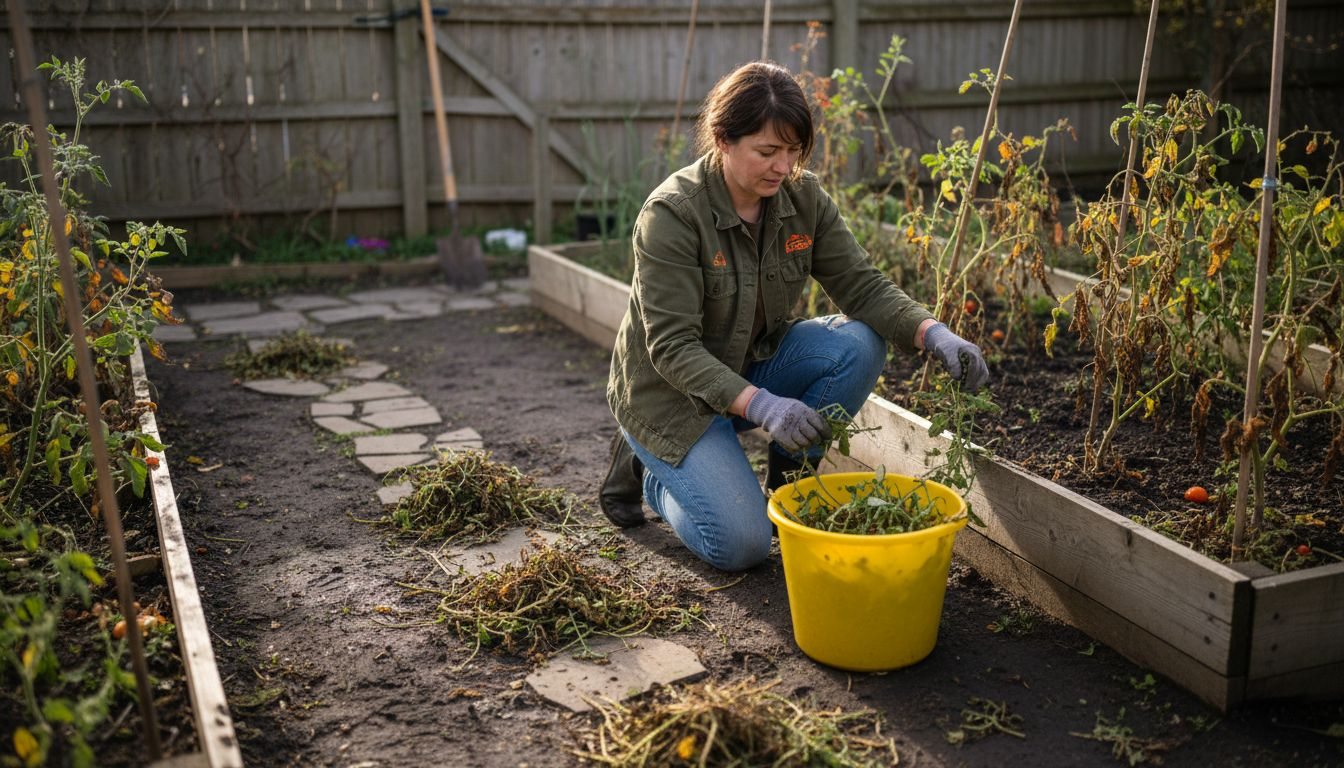
After initial weed extraction, focus on clearing garden debris. Remove fallen leaves, dead plant material, and any accumulated organic matter that could harbour pests or disease. For extensive weed-covered areas, consider using cardboard or thick mulch to smother remaining vegetation, preventing regrowth and preparing the ground for future planting. This approach helps weaken persistent weeds and creates a clean slate for your garden renovation.
Top Tip: Dispose of weeds carefully by composting only those without mature seeds to prevent unintentional spread of unwanted plant species.
Stage 3: Trim Plants and Edges Precisely
Precise plant and garden edge maintenance transforms an ordinary garden into a meticulously groomed outdoor space. This critical stage involves carefully shaping plants and defining crisp boundaries to enhance your garden’s overall aesthetic and health.
Begin by pruning hedges and shrubs with professional techniques, focusing on maintaining their natural shape and encouraging healthy growth. Select appropriate tools based on the plant type and size. Hand shears work best for smaller, detailed work, while powered trimmers can efficiently manage larger hedge sections. When pruning, make clean cuts at the correct angle to promote new growth and prevent damage to the plant’s structure.
Next, concentrate on defining garden edges with precision. Use a half-moon edging tool to create sharp, clean lines between lawn and border areas. Maintain lawn edges by creating a subtle drop of about 7.5cm, which helps prevent grass from encroaching into garden beds. Work slowly and carefully, ensuring a consistent edge that provides a crisp, professional appearance to your garden landscape.
Top Tip: Always clean and sharpen your gardening tools before and after trimming to ensure precise cuts and prevent potential plant infections.
Stage 4: Nourish Lawn and Beds with Care
Nourishing your garden demands a strategic approach that balances plant health, aesthetic appeal, and ecological considerations. This stage focuses on providing essential nutrients and creating an environment where your lawn and garden beds can thrive.
Lawn care during spring and summer requires a thoughtful maintenance strategy. Begin by establishing a consistent mowing routine, adjusting cutting heights to promote robust grass growth. Consider a varied approach that supports biodiversity reduce mowing frequency in certain areas to encourage wildflower growth and support local wildlife. Use a balanced, slow-release fertiliser appropriate to your specific soil type and grass variety, applying it evenly to ensure uniform nutrition.
For garden beds, incorporate organic compost to replenish soil nutrients and improve overall soil structure. Select fertilisers that match the specific needs of your plants, paying attention to the nutrient balance. Create wildlife-friendly lawn spaces by allowing sections of your lawn to grow slightly longer and introducing native flowering plants that attract pollinators. This approach not only nourishes your garden but also supports local ecosystem health.
This table compares popular nutrient sources for lawn and beds:
| Nutrient Source | Benefits | Suitability |
|---|---|---|
| Organic compost | Improves soil structure and life | Best for garden beds |
| Slow-release fertiliser | Feeds plants gradually | Ideal for various lawns |
| Liquid feed | Rapid nutrient boost | Useful for potted plants |
| Mulch | Conserves moisture, suppresses weeds | Suitable for beds and borders |
Top Tip: Test your soil pH and nutrient levels annually to create a precisely tailored feeding programme for your specific garden environment.
Stage 5: Inspect Results and Adjust Routine
The final stage of garden maintenance involves a critical evaluation of your efforts, understanding the impact of your interventions, and preparing to refine your approach for ongoing garden health. This process transforms garden care from a static routine into a dynamic, responsive practice.
Assess your garden environment systematically, examining soil conditions, plant health, and overall ecosystem performance. Look for signs of successful growth, areas needing improvement, and potential environmental challenges. Pay close attention to moisture levels, plant vigour, and the interactions between different garden elements. Note any areas where plants seem stressed or underperforming, and consider the underlying causes such as soil composition, sunlight exposure, or potential nutrient deficiencies.
Adopt a flexible approach to garden maintenance by implementing environmentally friendly gardening practices that respond to your garden’s specific needs. Consider reducing chemical interventions, promoting biodiversity, and creating a more sustainable garden ecosystem. Document your observations, track changes over time, and be prepared to modify your maintenance routine based on the garden’s evolving requirements. This adaptive strategy ensures your garden remains healthy, vibrant, and responsive to changing environmental conditions.
Top Tip: Maintain a garden journal to track your maintenance actions, plant performance, and seasonal changes, enabling more informed and precise gardening decisions.
Elevate Your Garden Maintenance with Expert Support from Chrisam Gardens Ltd
Maintaining a beautiful garden requires careful assessment, precise trimming, and consistent nourishment to overcome challenges like soil compaction, weeds, and uneven edges. If you find these tasks overwhelming or lack the right tools and expertise, Chrisam Gardens Ltd in Milton Keynes offers tailored garden maintenance solutions that bring your outdoor space back to life. Our professional team specialises in creating healthy, vibrant gardens through skilled soft landscaping, expert turfing, and meticulous garden clearance.

Transform your garden with trusted local experts who understand the importance of every detail from weed removal to lawn nourishment. Visit Chrisam Gardens Ltd today to explore our range of garden maintenance services and request your free quote. Take the first step towards a thriving garden by booking a consultation — your garden deserves professional care that adapts and grows with its needs.
Frequently Asked Questions
What should I assess in my garden during the maintenance process?
To successfully maintain your garden, evaluate soil quality, plant health, and potential problem areas like compaction or drainage issues. Conduct this assessment every season to adjust your maintenance plan accordingly.
How can I effectively remove weeds and debris from my garden?
Begin by hand pulling or using appropriate tools to completely uproot weeds, ensuring you remove their roots. Follow this by clearing away leaves and dead material to create a clean foundation for future plant growth, ideally every few weeks during the growing season.
What techniques can I use to trim plants and define garden edges?
Utilise hand shears for detailed pruning of small plants and powered trimmers for larger hedges. Define garden edges with a half-moon edging tool, ensuring crisp lines between lawns and garden beds for a polished look, aiming to maintain these edges every month.
How do I nourish my lawn and flower beds for optimum health?
Incorporate organic compost and slow-release fertilisers to enhance soil nutrients. Create a feeding schedule based on your plants’ specific needs, and reapply these nutrients every 6-8 weeks during the growing season for the best results.
What should I look for when inspecting the results of my garden maintenance efforts?
Examine soil conditions, plant health, and interaction among various elements in your garden. Take note of areas needing improvement and adjust your maintenance actions accordingly, conducting this inspection every few months to track changes in your garden’s health.
How can I keep my gardening routine adaptable to changing conditions?
Maintain flexibility in your gardening practices by observing your garden’s specific needs and being willing to change your methods as necessary. Regularly document your findings and adjust your approach at least twice a year to promote ongoing garden health.