
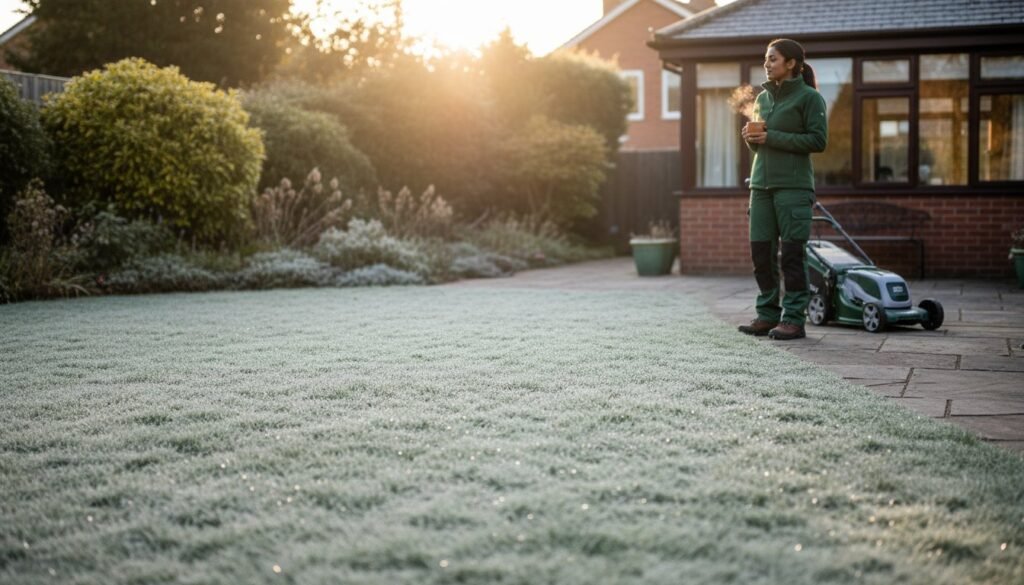
Have you ever spent time carefully mowing your garden, only for the grass to look stressed, yellowed, or patchy afterwards? This common frustration for UK homeowners often has less to do with your technique and more to do with timing. The secret to a truly healthy, attractive lawn isn’t just knowing how to mow, but understanding the critical moments when not to cut grass. Mowing during a frost, in wet conditions, or during a summer drought can cause significant long-term damage, invite disease, and undo all your hard work.
In this professional guide, we provide the clear, dependable advice you need to protect your lawn. We will outline the specific conditions and seasons when you should put the mower away to prevent damage and promote strong, resilient growth. By following these straightforward rules, you’ll gain the confidence that you’re caring for your lawn correctly, ensuring a lush, green finish that enhances your outdoor space all year round.
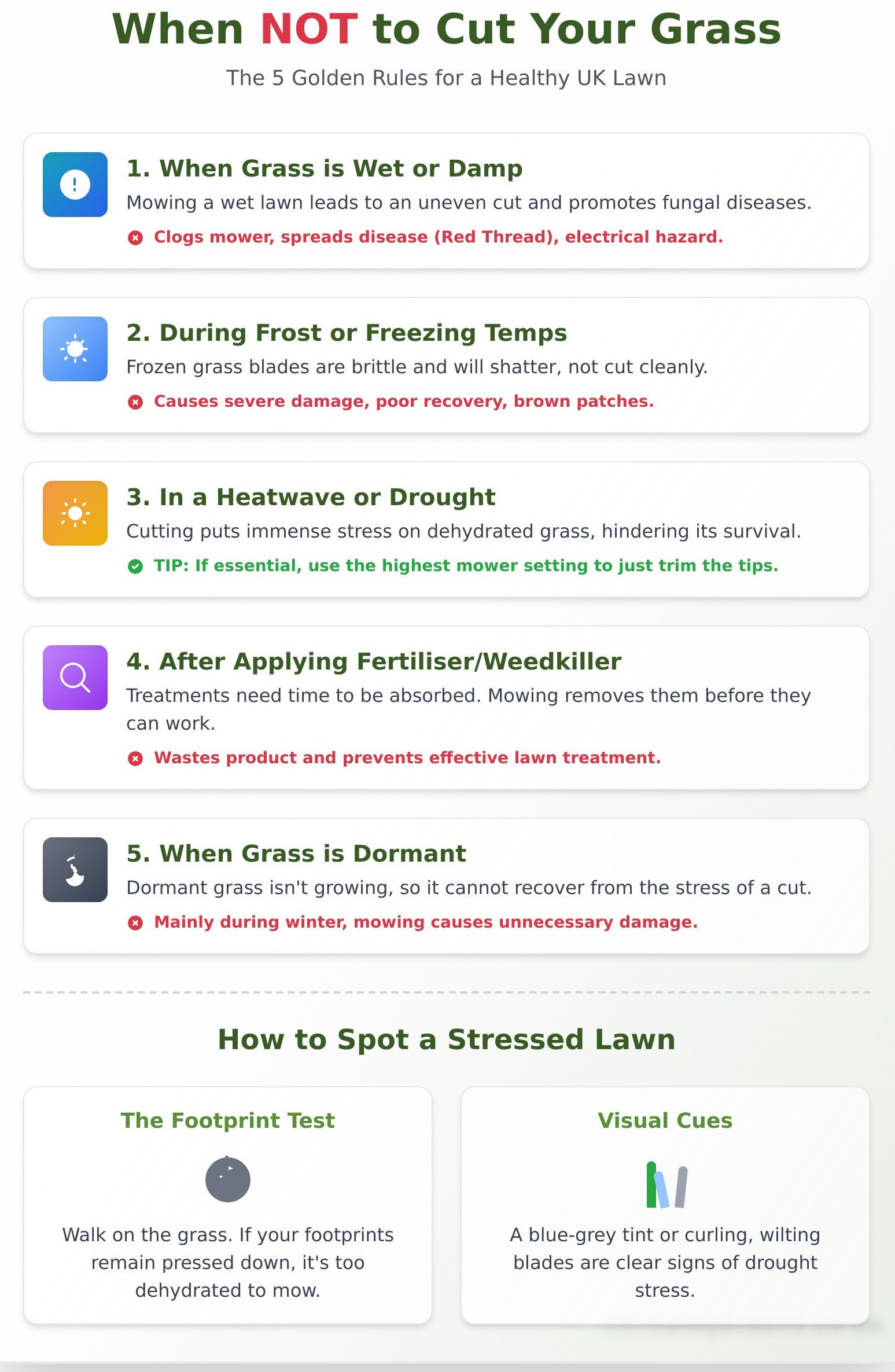
The Golden Rules: 5 Times You Should Never Cut Your Grass
Knowing when not to cut grass is just as crucial for a healthy garden as knowing when you should. Mowing your lawn under the wrong conditions can cause severe stress, invite disease, and lead to long-term damage that undoes your hard work. The most important tool for quality lawn care is often patience.
These golden rules are universal and apply regardless of the season or day of the week. To maintain a lush, resilient, and attractive lawn, you should never mow in these five situations:
- When the grass is wet or damp
- During a frost or in freezing temperatures
- In a heatwave or severe drought
- Immediately after applying fertiliser or weedkiller
- When the grass is dormant and not actively growing
Ignoring these guidelines goes against sound general lawn care principles and can quickly lead to a patchy, unhealthy garden. By choosing the right moment to mow, you work with your lawn, not against it, promoting strong and vibrant growth for years to come.
When the Grass is Wet or Damp
Mowing a wet lawn is a common mistake with poor results. Damp clippings clump together, clogging your mower’s deck and blades, which results in a messy, uneven cut. This damp, clumpy environment is also the perfect breeding ground for fungal diseases like Red Thread, which can spread rapidly. Furthermore, using an electric mower on wet ground poses a significant safety risk. It is always best to wait until the lawn is completely dry.
During a Frost or in Freezing Temperatures
Never mow a frosty lawn. The grass blades are frozen and brittle, meaning the mower will shatter them rather than cutting them cleanly. This shredding action causes serious damage that the grass struggles to recover from. Even walking on a frosty lawn is harmful, as the pressure crushes the frozen crown of the plant, often leaving dead, brown footprints. In the UK, grass growth stops once the soil temperature drops to around 5-6°C, making any cut both unnecessary and damaging.
In a Heatwave or Severe Drought
Cutting grass short during a drought puts immense stress on an already dehydrated plant. Your lawn is focusing all its energy on survival, and mowing forces it to divert precious resources to healing. Longer grass provides essential shade for the soil, helping to conserve moisture and keep the roots cooler. If a cut is absolutely necessary for tidiness, raise your mower blades to the highest setting to remove only the very tips of the grass.
A Seasonal Guide: When to Avoid Mowing Throughout the UK Year
Understanding your lawn’s life cycle is key to its health. Grass growth in the UK is driven by soil temperature and daylight hours. As the seasons change, so do your lawn’s needs. A reliable mowing calendar typically runs from March to October, but knowing precisely when to start, stop, and pause is crucial for a lush, resilient lawn. This guide provides practical, season-by-season advice.
Spring (March – May): The Awakening
As your lawn wakes from dormancy, resist the urge to cut it immediately. Mowing too early stresses the grass before it establishes consistent growth. The Woodland Trust offers excellent guidance on when to do the first cut, advising you to wait for reliable growth. Always avoid mowing waterlogged ground after spring showers to prevent soil compaction and turf damage. You might also consider participating in ‘No Mow May’ to support local pollinators.
Summer (June – August): Peak Growth & Stress
Summer is peak growing season, but it also brings significant stress. Avoid mowing in the midday heat to prevent scorching the grass and reducing moisture loss. It is also vital not to cut your lawn too short; leaving it slightly longer (around 5-7cm) helps shade the soil, conserve water, and prevent weeds. During a prolonged dry spell or drought, it’s best to stop mowing entirely to help the grass conserve its energy and survive the stress.
Autumn (September – November): Winding Down
As growth slows, reduce your mowing frequency. A key rule for when not to cut grass in autumn is when it’s covered in fallen leaves-rake them up first to prevent smothering the turf. Once temperatures consistently drop below 10°C, it’s time to stop for the year. For your final cut, raise the mower blades. This leaves the grass long enough to protect it from frost but short enough to prevent it from becoming matted and diseased over winter.
Winter (December – February): The Dormant Period
During the winter months, your lawn is dormant and mowing is not advised. The grass isn’t growing, so it cannot recover from the stress of a cut. Mowing a frosty or frozen lawn will damage the grass blades, leading to brown patches in spring. The mower’s weight on soft, wet soil also causes deep ruts and severe soil compaction, harming the root structure for the year ahead. It’s best to give your lawn and your mower a well-earned rest.
Reading the Signs: How to Tell if Your Lawn is Too Stressed to Mow
Before you pull out the mower, take a moment to look closely at your lawn. A professional approach to garden care means reading the signs your grass is giving you. Mowing is a form of stress; for a healthy lawn, it’s a stress that encourages thicker growth. For a lawn that is already struggling, it can cause significant damage.
Learning to spot the signs of stress is key to understanding when not to cut grass. It allows the lawn vital time to recover, ensuring it remains healthy, dense, and resilient in the long term. Think of it as listening to your garden-it will tell you what it needs.
Signs of Drought Stress
During dry spells in the UK summer, your lawn conserves energy and water. Mowing during this time removes what little moisture is left in the blades and exposes the soil to more sun, worsening the problem. Look for these simple visual cues:
- The Footprint Test: Walk across your lawn and look back. If the grass blades spring back up within a few seconds, they are well-hydrated. If your footprints remain pressed down, the grass lacks the moisture to recover and should not be mowed.
- A Blue-Grey Colour: A thirsty lawn loses its vibrant green hue, often taking on a dull, bluish-grey or silvery tint as the blades try to conserve water.
- Wilting or Curling Blades: Look at the individual blades of grass. If they appear thin, wilted, or are starting to curl inwards, this is a clear signal of dehydration and a definite reason to put the mower away.
Signs of Lawn Disease or Pests
Brown patches, unusual spots, or slimy-looking areas can indicate a fungal disease like Red Thread or Fusarium Patch, while thinning grass could be a sign of pests. Mowing over these areas is one of the fastest ways to spread the problem. The mower blades and wheels will carry fungal spores or insect eggs across your entire lawn, turning a small issue into a widespread infestation. It is always best to diagnose the problem before considering a cut. If you spot these signs, our professional garden maintenance services can help diagnose and treat the issue effectively.
For Newly Seeded or Turfed Lawns
Patience is essential when establishing a new lawn. Mowing too early is a common mistake that can ruin your hard work by pulling fragile seedlings out of the soil or dislodging new turf before its roots have taken hold. As a clear rule, do not mow until the new grass is well-established and has reached a height of at least 2-3 inches (5-8cm). Giving it this time is a critical decision in when not to cut grass, as it allows a strong root system to develop, creating the foundation for a lush, durable lawn.
Mower and Maintenance: When Your Equipment Says ‘No’
So far, we’ve focused on when the lawn itself isn’t ready for a trim. However, a crucial part of knowing when not to cut grass involves looking at your equipment. A professional, healthy-looking lawn is impossible to achieve with a poorly maintained mower. Using the wrong tool, or a tool in poor condition, can damage even the healthiest turf, undoing all your hard work.
At Chrisam Gardens, we believe that quality craftsmanship starts with quality tools. Before you start the engine, a quick inspection is essential for ensuring a clean, even, and attractive finish.
The Problem with Dull Mower Blades
The single most common equipment issue we see is a dull mower blade. Instead of making a clean, sharp cut, a blunt blade rips and tears the grass. This ragged wound stresses the plant, making it more susceptible to disease and causing the tips to turn a whitish-yellow or brown a day or two after mowing. A sharp blade, by contrast, ensures a swift recovery and a much greener appearance.
Checking Your Mower Before You Start
A mower that isn’t running correctly will not deliver a quality cut. A sputtering engine can lead to an uneven finish, while low tyre pressure can cause the mower deck to scalp the lawn in some areas and miss others entirely. Taking 60 seconds for a pre-mow check prevents these problems and protects your lawn.
Your simple pre-mow checklist:
- Fuel or Battery: Ensure you have enough charge or fuel to complete the job without interruption.
- Oil Level: For petrol mowers, check the oil to protect the engine and ensure smooth operation.
- Tyre Pressure: Check that tyres are evenly inflated for a level, consistent cut.
- Clean Deck: Clear away caked-on grass from the underside of the mower. A clean deck improves airflow and lift, preventing clumps from being left on your lawn.
Proper equipment maintenance is a non-negotiable part of professional lawn care. If you’re concerned about your mower’s condition or simply want to guarantee a perfect result every time, explore our expert lawn and garden maintenance services.
Achieve a Healthier Lawn by Mowing Smarter, Not Harder
Ultimately, the secret to a lush, resilient lawn isn’t just about regular cutting-it’s about professional timing and knowing when to put the mower away. As we’ve covered, avoiding a trim when the grass is wet, frosted, or showing signs of stress from drought is fundamental to its long-term health. Understanding when not to cut grass protects your turf from disease, damage, and unnecessary strain, allowing it to grow stronger and greener all year round.
If you’re in Milton Keynes and want to ensure your lawn receives expert care, the experienced and skilled team at Chrisam Gardens is ready to assist. We are a trusted, local service dedicated to providing quality work with meticulous attention to every detail. We take the guesswork out of garden maintenance, delivering outstanding results you can rely on. For professional help with your lawn, contact Chrisam Gardens for a free, no-obligation quote.
With the right care and a little patience, you’re well on your way to achieving the best lawn on the street.
Frequently Asked Questions
Is it better to cut grass in the morning or evening?
For the best results, it is better to cut your grass in the late afternoon or early evening. Morning dew makes the grass wet, leading to an uneven cut and clumping that can clog your mower. Mowing in the intense midday sun can stress the lawn. An evening cut ensures the grass is dry for a clean finish and gives it the cool overnight period to recover, promoting a healthier, more resilient turf and a professional appearance.
What is the lowest temperature you should cut grass at in the UK?
As a professional guideline, you should avoid mowing your lawn when the air temperature is consistently below 5°C. Below this temperature, grass growth slows significantly and it enters a dormant state. Cutting the lawn in such cold conditions can shock the grass, damage the plant, and compact the soil. Understanding the correct temperature is a key part of knowing when not to cut grass, ensuring your lawn stays healthy through winter for strong spring growth.
How long should you wait to mow after it rains?
You should always wait until the grass blades are completely dry to the touch before mowing. Depending on UK weather, this could be a few hours on a sunny, breezy day or more than 24 hours in damp, overcast conditions. Mowing a wet lawn leads to a poor-quality cut, creates ruts in the soft ground from the mower’s weight, and can spread lawn diseases. Patience ensures a clean, safe, and professional result for your garden.
What happens if you ignore the rules and cut wet or frosty grass?
Cutting wet grass tears the blades instead of slicing them cleanly, which leaves your lawn vulnerable to fungal diseases and creates an untidy, clumpy finish. Mowing frosty grass is even more damaging; the frozen, brittle blades will shatter on impact. This causes significant browning and can kill patches of your lawn, requiring extensive repair. Adhering to these simple rules is essential for maintaining the long-term health and appearance of your turf.
Will mowing a new lawn more frequently help it grow thicker?
Yes, regular and correct mowing is the most effective way to encourage a dense, thick lawn. Each time you cut the grass, it stimulates the plant to produce new shoots from its base, a process which creates a fuller, more carpet-like turf. For new lawns, it is critical to only remove the top third of the grass blade with each mow. This frequent but light trimming builds a strong root system and a lush, attractive lawn without causing stress.
How do I know if my mower blades are sharp enough?
Inspect your lawn a day after mowing. A sharp blade will leave a clean, straight cut at the top of the grass. If your blades are dull, you will see ragged, torn, or frayed tips, which often turn brown or yellow. This tearing action damages the grass plant, making it more susceptible to disease and stress. For a healthy lawn and a professional-quality finish, we recommend having your mower blades sharpened at least once per season.